
Cloudy or Scarred Cornea
If the front surface of the eye loses clarity, vision can become blurry, hazy or significantly reduced.
Ask for cornea guidance →Patients looking for the best cornea specialist usually want answers to serious questions—why vision is cloudy, why the eye is red or painful, whether a corneal transplant is needed, or whether keratoconus and ocular-surface problems can be managed early. SGVEH supports cornea care through structured evaluation, specialist guidance and follow-up.
Corneal problems are often uncomfortable and sometimes urgent. The right eye specialist helps determine whether the concern is infection, scarring, corneal weakness, dryness, injury or a condition affecting corneal transparency.
If the front surface of the eye loses clarity, vision can become blurry, hazy or significantly reduced.
Ask for cornea guidance →Thinning and bulging of the cornea can cause increasing glasses number, distortion and unstable vision.
Read keratoconus FAQs →A red painful eye with watering, light sensitivity or a white spot on the cornea needs urgent review.
See warning signs →Patients often need clarity on when corneal transplant becomes an option and what follow-up may involve.
Meet doctors →Surface inflammation, dryness or recurrent erosions can affect comfort, vision and healing.
See evaluation support →Cornea care is often follow-up intensive, so treatment quality depends on ongoing review and monitoring.
Connect with SGVEH →Cornea care overlaps with comprehensive ophthalmology, diagnostics, surgery, ocular-surface management and follow-up support. SGVEH connects patients with a larger specialist team, with cornea services led within a broader care network.

MBBS, DOMS • Advanced Cornea Training
Cornea • Keratoconus • Ocular Surface • Corneal Transplant
View doctor profile →
MBBS, MS (AIIMS New Delhi)
Comprehensive Eye Care • Glaucoma • Refractive Care • Neuro-Ophthalmology
View doctor profile →
MBBS, MS
Comprehensive Ophthalmology • Surgical Eye Care • Patient Evaluation
View doctor profile →
Ophthalmologist
Holistic Eye Care • Community Ophthalmology • Institutional Direction
View doctor profile →
SGVEH Consultant
Supports coordinated patient evaluation and follow-up within the SGVEH eye-care network.
Explore SGVEH →
SGVEH Consultant
Supports patient counselling, structured eye care and follow-up coordination.
Explore SGVEH →
SGVEH Consultant
Helps patients access structured specialist eye evaluation and support within the hospital network.
Explore SGVEH →
Specialist Eye Care Team
Additional SGVEH doctor support within the broader specialist network for cornea and eye care.
Explore SGVEH →
Specialist Eye Care Team
Additional SGVEH doctor support within the broader specialist network for cornea and eye care.
Explore SGVEH →
Specialist Eye Care Team
Additional SGVEH doctor support within the broader specialist network for cornea and eye care.
Explore SGVEH →
Specialist Eye Care Team
Additional SGVEH doctor support within the broader specialist network for cornea and eye care.
Explore SGVEH →“Best cornea specialist” is a common search phrase, not a medical guarantee. The right diagnosis and treatment plan depend on the cause, severity, visual impact and in-person eye examination.
The right next step is different for every patient. A meaningful cornea consultation usually helps answer these practical questions.
Transparency of the cornea affects how well light enters the eye and how clearly a person sees.
Pain, redness, discharge or a white spot may indicate a corneal infection or ulcer that needs urgent care.
A changing glasses number or distorted vision may need detailed cornea-shape assessment.
Not every corneal problem needs transplant; the decision depends on disease severity and visual need.
Dryness, recurrent erosion or surface disease can affect healing, comfort and long-term visual outcome.
Cornea care often needs repeated monitoring, especially in infections, transplant and chronic surface disease.
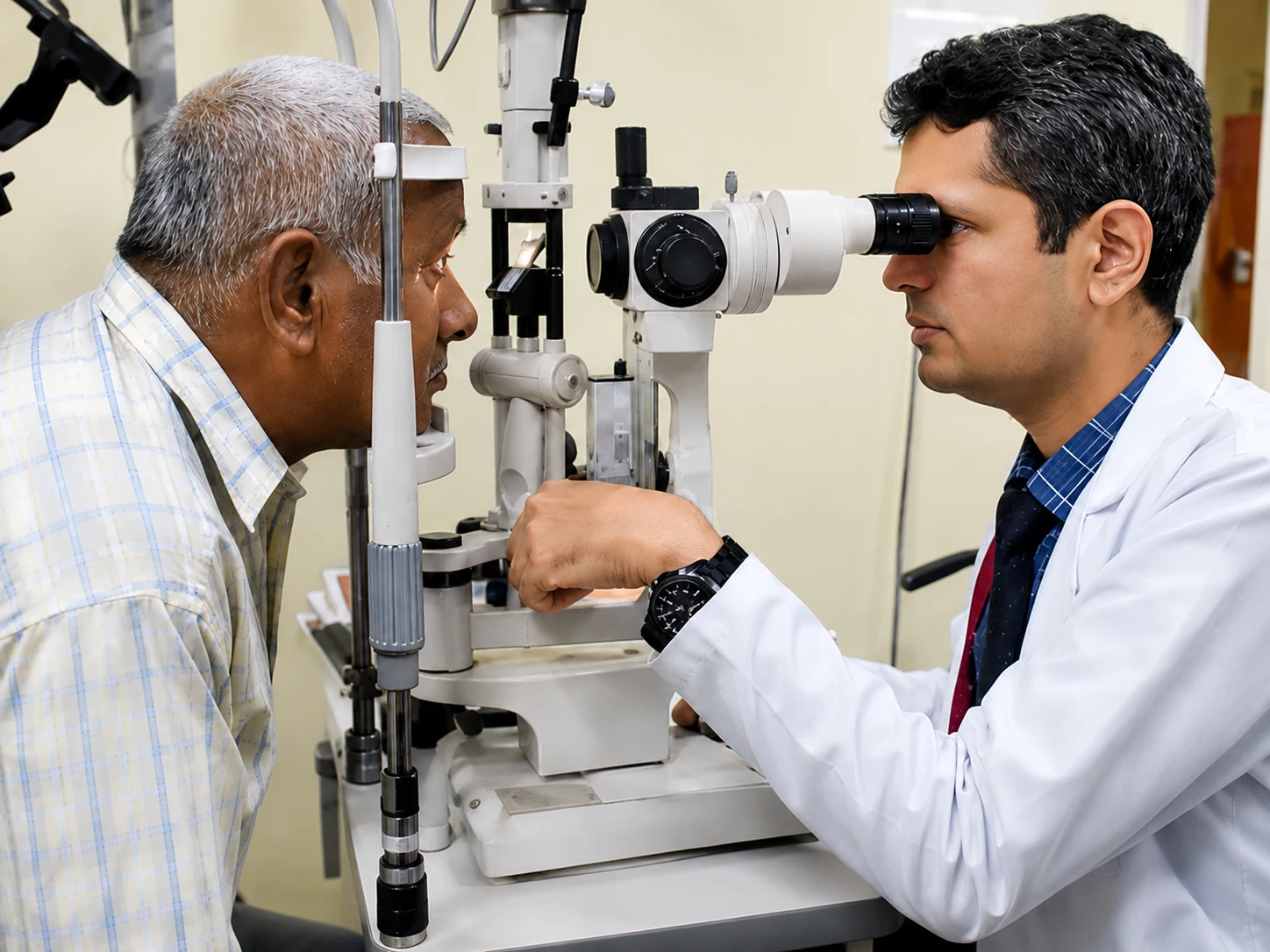
Cornea treatment works best when the process is clear, timely and matched to the actual diagnosis.
Listen to the concern: pain, redness, blurred vision, transplant questions, thinning or cloudy cornea.
Evaluate corneal clarity, infection risk, surface health, vision impact and related eye findings.
Plan treatment, counselling, surgery discussion or corneal transplant evaluation as needed.
Continue follow-up so healing, comfort and vision can be monitored properly over time.
Cornea treatment depends on careful examination, imaging and structured follow-up when needed. Surface health, corneal clarity, shape-related concerns and associated eye findings all influence the final treatment plan.
Short, patient-friendly answers for common questions people search before booking a cornea consultation.
Need personalised guidance? →Look beyond a label. Choose a doctor or eye-care system that can assess the cornea properly, explain the diagnosis clearly, suggest the right investigations and offer follow-up suited to the condition.
A corneal transplant may be considered in selected cases such as severe corneal scarring, advanced corneal damage or certain corneal diseases. The decision depends on examination findings and the visual need of the patient.
Many keratoconus patients are first managed with glasses, contact-lens options or stabilising approaches depending on severity. A cornea specialist helps determine the most appropriate path.
Yes. A painful red eye with decreased vision, watering, discharge or a white spot on the cornea should be assessed urgently because delay can threaten vision.
Yes. Chronic dryness and surface inflammation can disturb comfort, vision quality and healing. Proper surface evaluation helps decide the treatment plan.
This page is educational and does not rank, certify or guarantee any doctor as objectively “best.” Cornea evaluation, ocular-surface treatment and surgical planning require an in-person eye examination and clinician assessment.
Our team can guide you toward an appropriate SGVEH cornea evaluation and treatment pathway in Raipur based on your symptoms and needs.